Mammillaria schumannii ‘Inermis’ Care Guide
Learn how to grow Mammillaria schumannii ‘Inermis’, a reduced-spine form of Cochemiea schumannii, with guidance on light, drainage, watering, dormancy, flowering, and rot prevention.
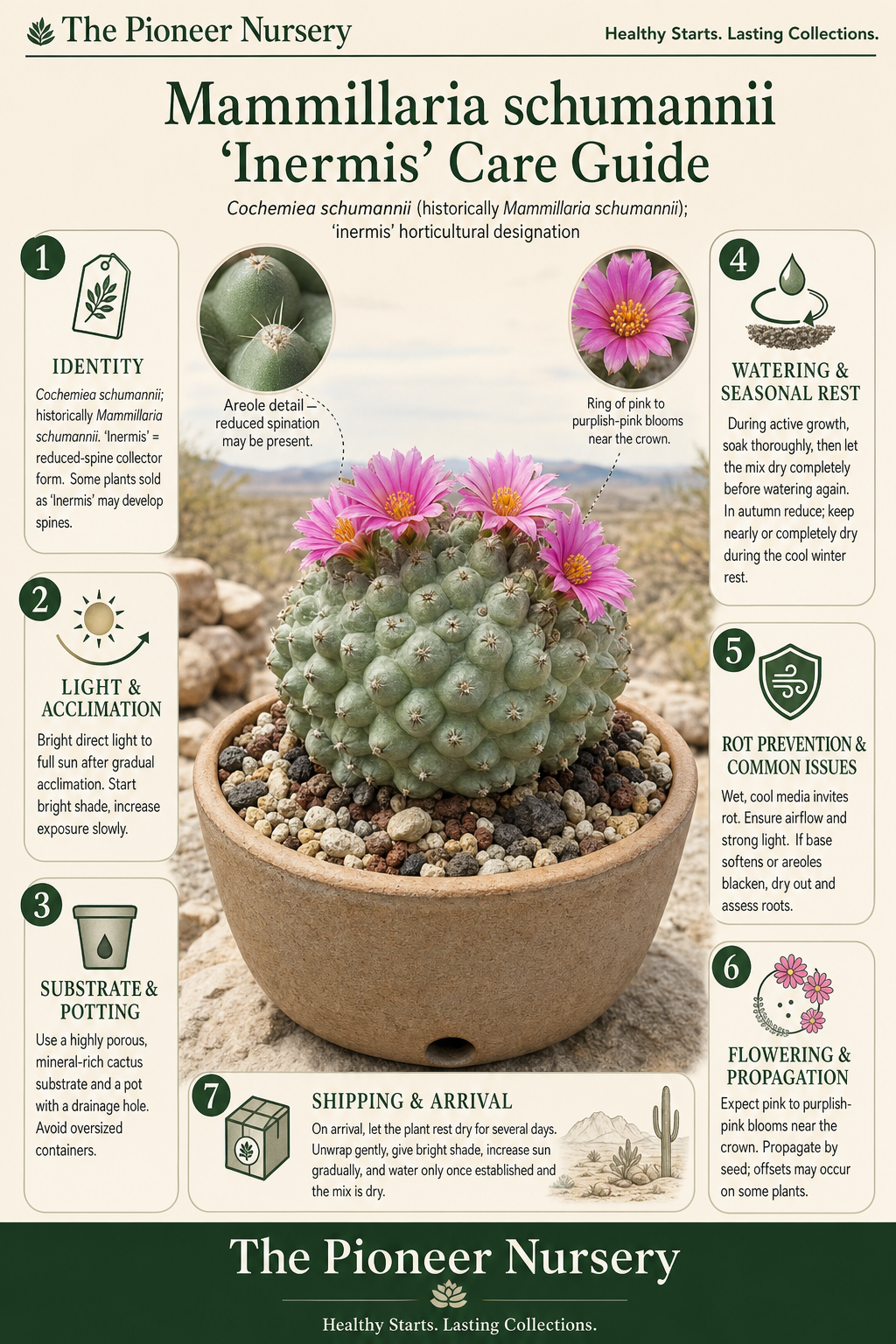
Mammillaria schumannii ‘Inermis’ is a collector designation for a reduced-spine or spineless-looking form of Cochemiea schumannii, a species historically treated as Mammillaria schumannii. The ‘inermis’ label is not verified here as a formally recognized variety or stable cultivar, so care should follow the species rather than assuming every plant will remain completely spineless. Strong light, very porous drainage, careful soak-and-dry watering, and a cool, dry winter rest are the main priorities. This species is especially vulnerable to rot when kept wet in cool conditions.
Quick Care Summary
- Bright direct light to full sun after gradual acclimation.
- Use a highly porous, mineral-rich cactus substrate.
- Water thoroughly only after the substrate has dried completely during active growth.
- Reduce watering in autumn and keep nearly or completely dry during cool winter rest.
- Avoid wet substrate during cool conditions because rot is a significant risk.
- Use a drainage hole and avoid oversized containers.
- Expect some plants sold as ‘Inermis’ to develop spines.
About the plant
Cochemiea schumannii is native to Baja California Sur, Mexico, where it occurs in dry desert or shrubland environments. It is also known by the historical name Mammillaria schumannii, which remains in use in some cactus references. Plants sold as ‘Inermis’ may still develop hooked or persistent spines because the designation describes a horticultural or collector form rather than a verified uniform botanical entity.
Light
Provide bright direct light to full sun once the plant is acclimated. After shipping or indoor cultivation, introduce intense light gradually to reduce the risk of sunburn. Strong air movement is helpful. In very hot climates, light afternoon protection can help prevent scorch while maintaining compact growth.
Watering
During active growth, use a soak-and-dry approach: water thoroughly only after the substrate has dried completely, then let excess water drain away. Increase watering gradually in spring as growth resumes, and water more regularly during warm summer growth when the plant is clearly active. Reduce watering from early autumn and keep the plant nearly or completely dry during a cool winter rest. Avoid waterlogged conditions, especially at low temperatures.
Soil and substrate
Use a porous, rapidly draining cactus mix with a high mineral fraction, such as pumice, lava rock, coarse grit, or coarse sand. The substrate should hold enough moisture for root function but must not remain damp for extended periods.
Potting and roots
Choose a container with a drainage hole and avoid oversized pots that stay wet. Repot in spring or at the beginning of active growth, handling the roots carefully. Because this species is reported to be rot-prone, damaged or disturbed roots should be allowed to dry and callus before cautious watering resumes.
Temperature and dormancy
Keep the plant warm and well ventilated during active growth. Growth generally slows in autumn and winter, when a bright, cool, dry rest is useful. Specialist guidance recommends avoiding prolonged exposure below approximately 5 °C. Brief exposure near -4 °C may be tolerated by established, completely dry plants, but it should not be treated as a routine nursery target. Resume irrigation gradually in spring rather than immediately saturating a dormant plant.
Fertilizer
Fertilize sparingly during active spring and summer growth with a dilute, low-nitrogen cactus fertilizer. Do not fertilize during autumn or winter dormancy. Wait to feed recently repotted or root-damaged plants until active growth is evident.
Flowering
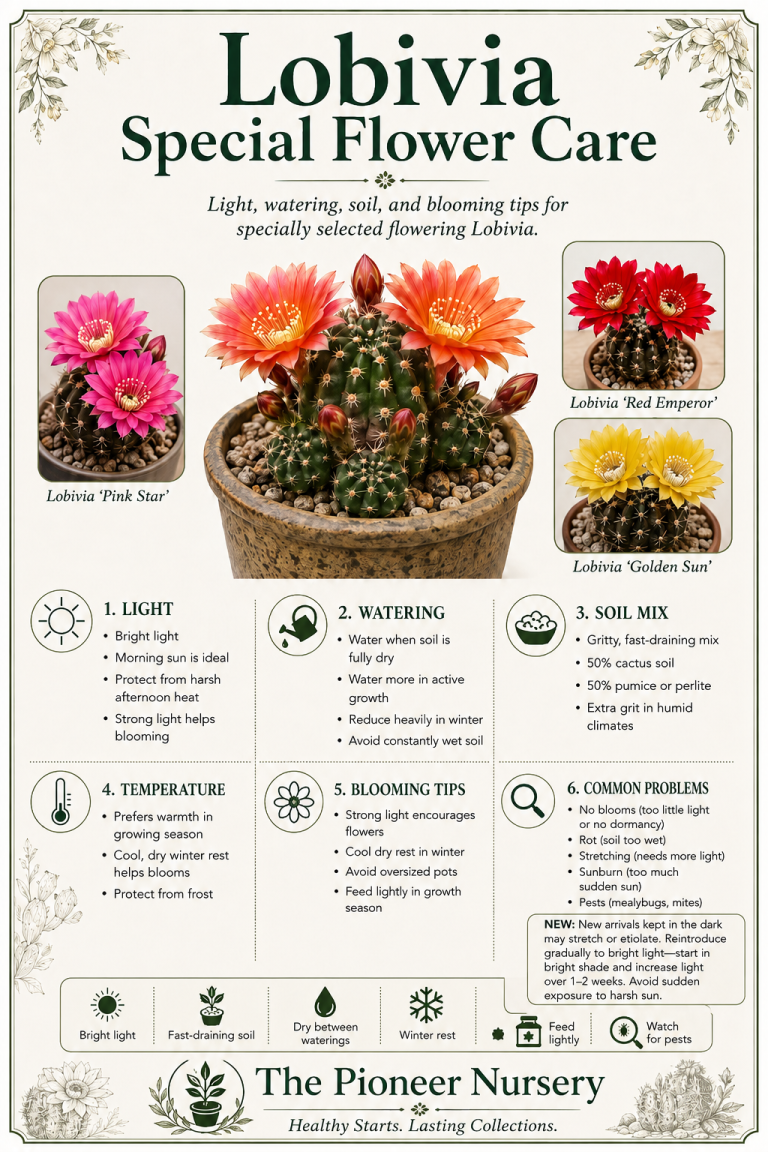
Large pink to purplish-pink flowers are reported, generally appearing in summer and often forming a ring near the upper portion of the stem. Bright light, mature growth, and a cool, dry winter rest support flowering.
Propagation
Propagation is primarily by seed. Offsets may occur, especially in clumping cultivated plants, but they are not necessarily abundant. Separate offsets only when sufficiently developed, and allow cut surfaces to dry before planting.
Shipping and arrival care
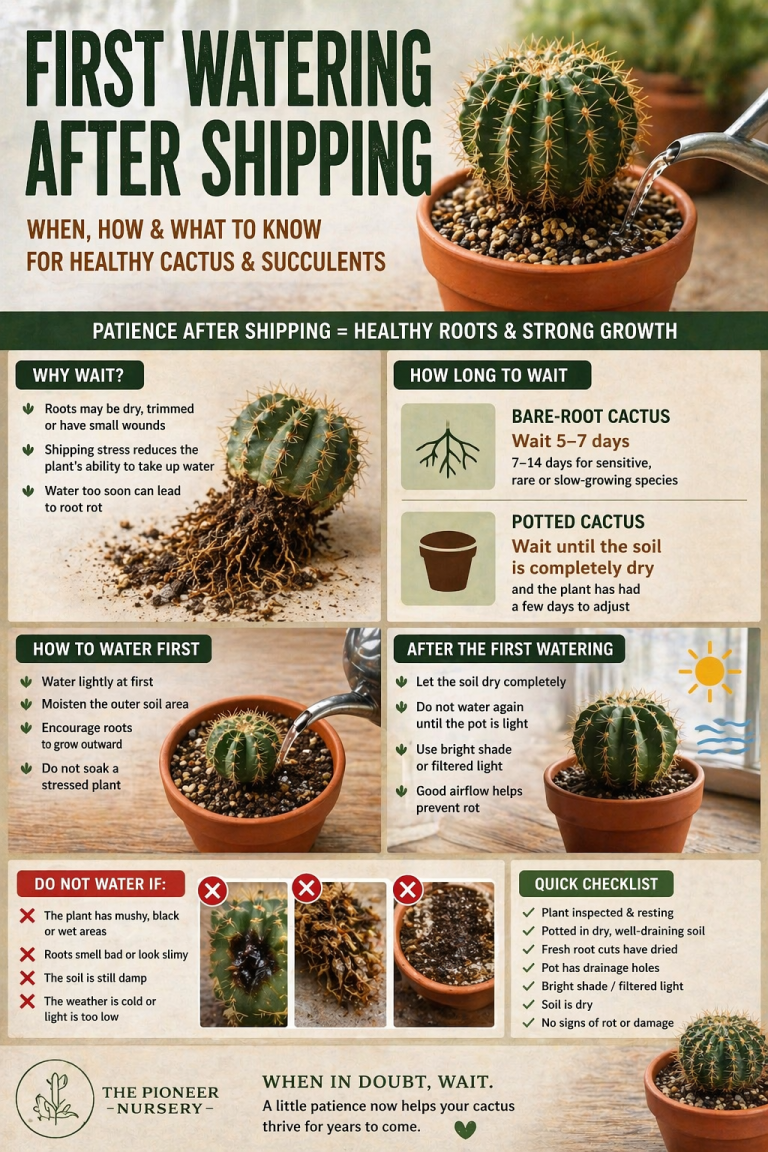
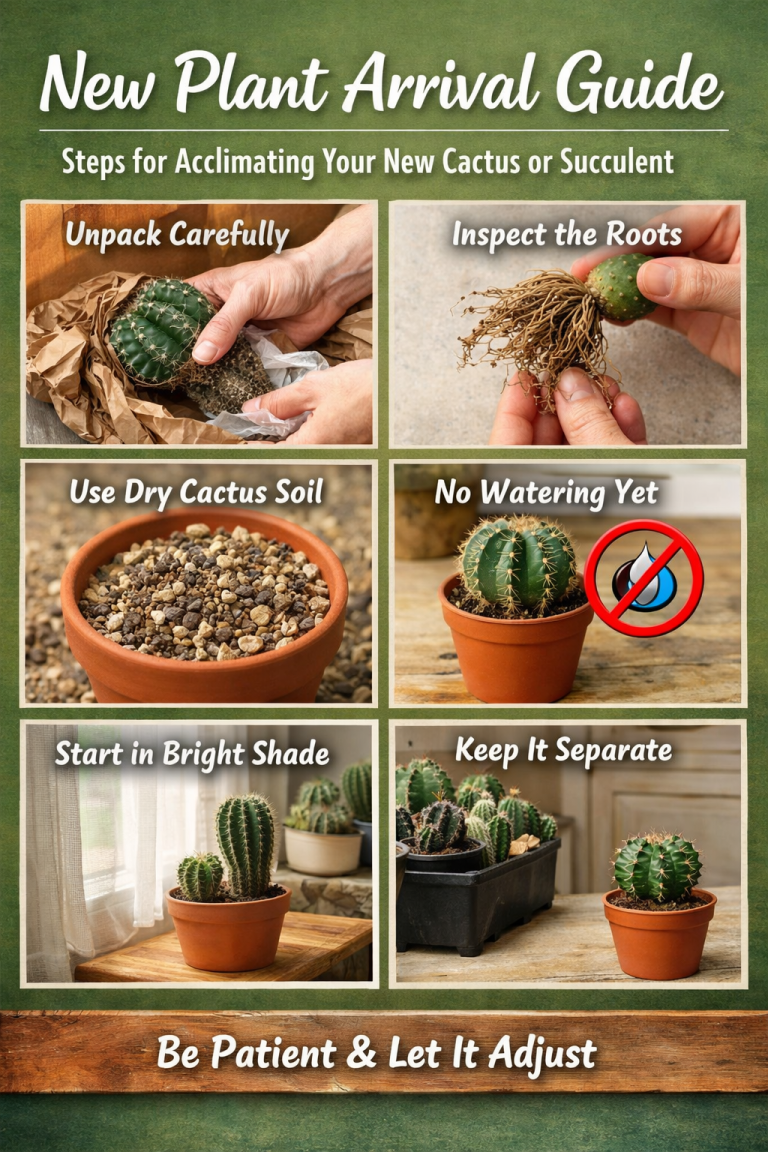
Inspect the plant after arrival and protect it from crushing and abrupt temperature changes. Reintroduce strong light gradually, especially if it traveled in darkness or low light. For bare-root plants or plants with disturbed roots, delay substantial watering until the plant has acclimated and damaged roots have dried. Avoid combining cold temperatures with wet substrate.
Common problems
Root or stem rot usually results from poor drainage, prolonged moisture, or watering during cool conditions. Weak, elongated growth indicates insufficient light. Sudden movement from shade or shipping conditions into full sun can cause sunburn. Mealybugs and other common cactus pests may occur in dense areoles or root zones. Plants sold as ‘Inermis’ may still produce hooked or persistent spines.
Frequently Asked Questions
How often should Mammillaria schumannii ‘Inermis’ be watered?
There is no fixed calendar. During active growth, water thoroughly after the substrate has dried completely, then let excess drain. Reduce watering in autumn and keep the plant nearly or completely dry during a cool winter rest.
Can this cactus grow in full sun?
Yes, bright direct light to full sun is appropriate once acclimated. Introduce strong light gradually after shipping or indoor cultivation, and provide light afternoon protection in very hot climates if needed.
Is ‘Inermis’ a completely spineless variety?
Not necessarily. The designation was not verified as a formal botanical variety or stable cultivar, and plants may still develop hooked or persistent spines.
Why is winter dryness important?
Growth slows in autumn and winter, and wet substrate combined with cool temperatures increases the risk of rot. A bright, cool, dry rest is recommended.
How is this plant propagated?
Propagation is primarily by seed. Developed offsets may sometimes be separated, with cut surfaces allowed to dry before planting.
Mammillaria schumannii ‘Inermis’ is best grown as Cochemiea schumannii: provide strong light, fast drainage, careful active-season watering, and a cool, dry winter rest. Treat the ‘inermis’ label as a horticultural designation rather than a guarantee of completely spineless growth.