Mammillaria lenta — Cristata Care Guide
Learn how to grow Mammillaria lenta — Cristata, a crested form that needs bright light, fast drainage, careful watering, and a cool, dry winter rest.
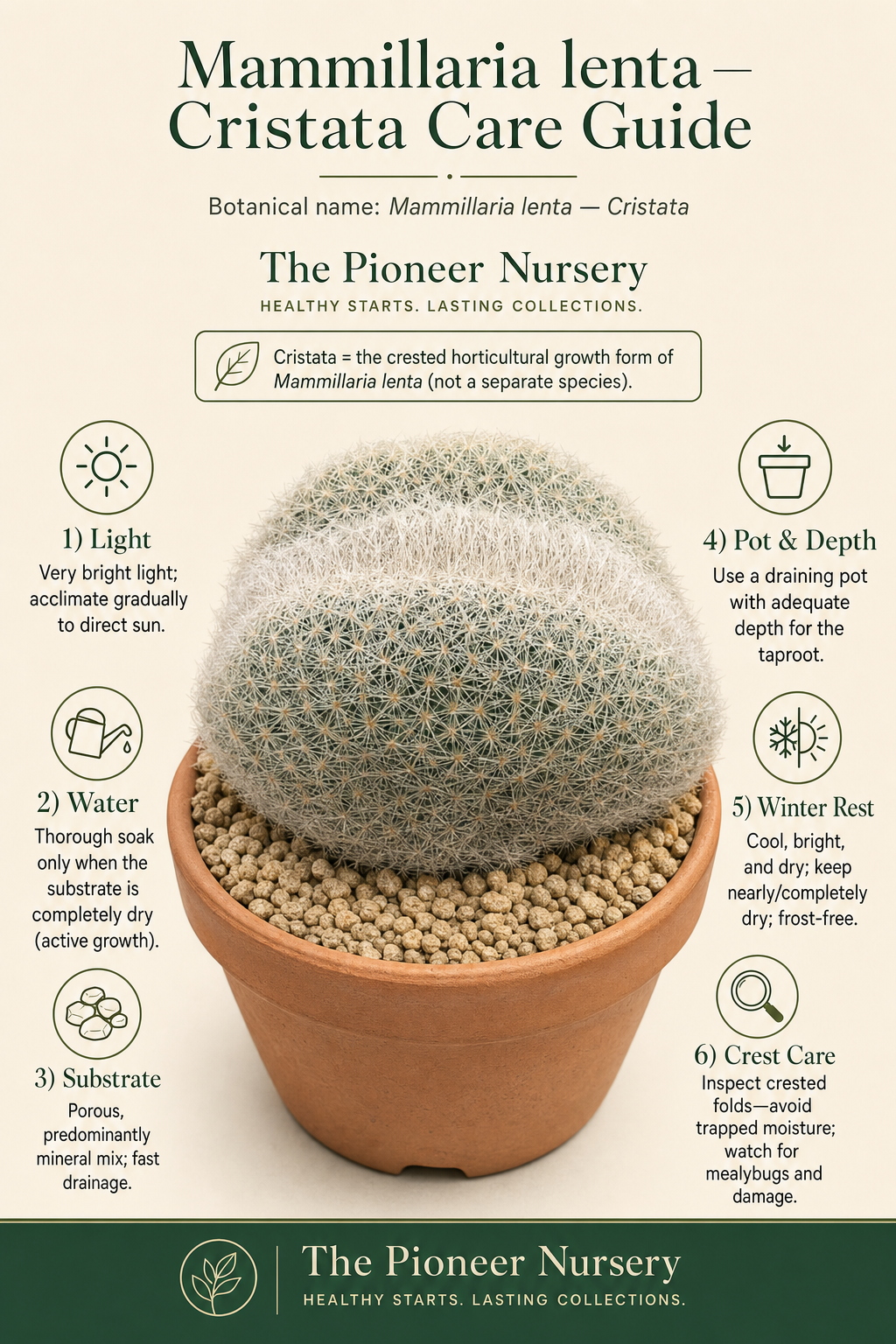
Mammillaria lenta — Cristata is the crested, or fasciated, growth form of Mammillaria lenta K.Brandegee. Its uneven folds may hold moisture or conceal pests, while its substantial, relatively soft taproot makes good drainage especially important. Provide very bright light, a porous mineral substrate, and thorough watering only after the mix has dried completely. Keep the plant nearly dry during cool, low-light winter conditions.
Quick Care Summary
- Provide very bright light and acclimate gradually to direct sun.
- Use a porous, predominantly mineral substrate and a draining pot.
- Water thoroughly during active growth only after the substrate is completely dry.
- Keep nearly or completely dry during cool, low-light winter conditions.
- Provide adequate depth for the substantial taproot and keep the plant frost-free.
About the plant
Mammillaria lenta is an accepted species; “Cristata” describes its crested growth form rather than a separate species, subspecies, variety, or verified formal cultivar. Crested growth is irregular, and normal and crested growth may appear on the same plant. The species can form large clumps in cultivation but generally grows slowly.
Light
Provide very bright light with several hours of direct sun once the plant is acclimated. Introduce it gradually to stronger sunlight after greenhouse, indoor, or shaded conditions to reduce sunburn. Insufficient light can cause elongated, weak growth and loss of compact form.
Watering
During active growth, water thoroughly, then allow the substrate to dry completely before watering again. Avoid shallow, repeated watering and never leave the pot standing in water. Because the plant is wet-sensitive and has a large, relatively soft taproot, drying between waterings is essential. In cool, low-light winter conditions, keep it nearly or completely dry, adding only enough water to prevent severe shriveling if necessary.
Soil and substrate
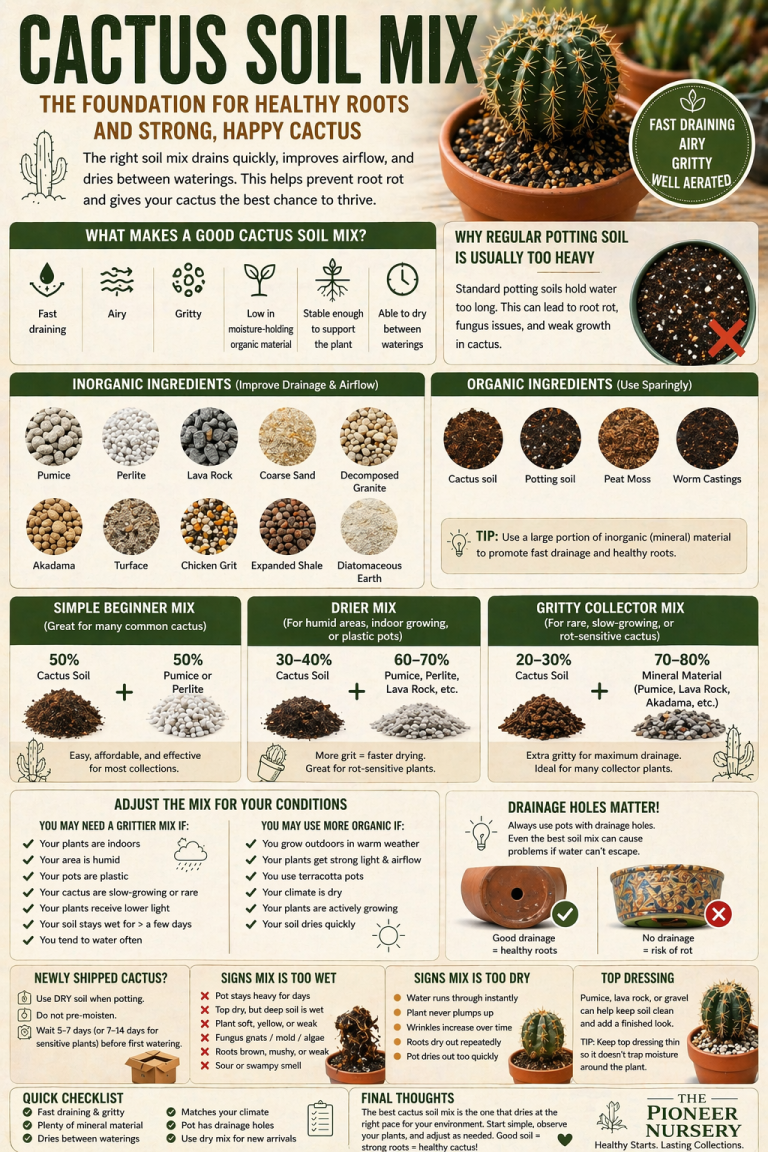
Use a porous, rapidly draining cactus mix made predominantly from mineral materials such as pumice, lava rock, coarse grit, or coarse sand, with only a modest organic component. Dense, moisture-retentive soil creates a significant rot risk.
Potting and roots
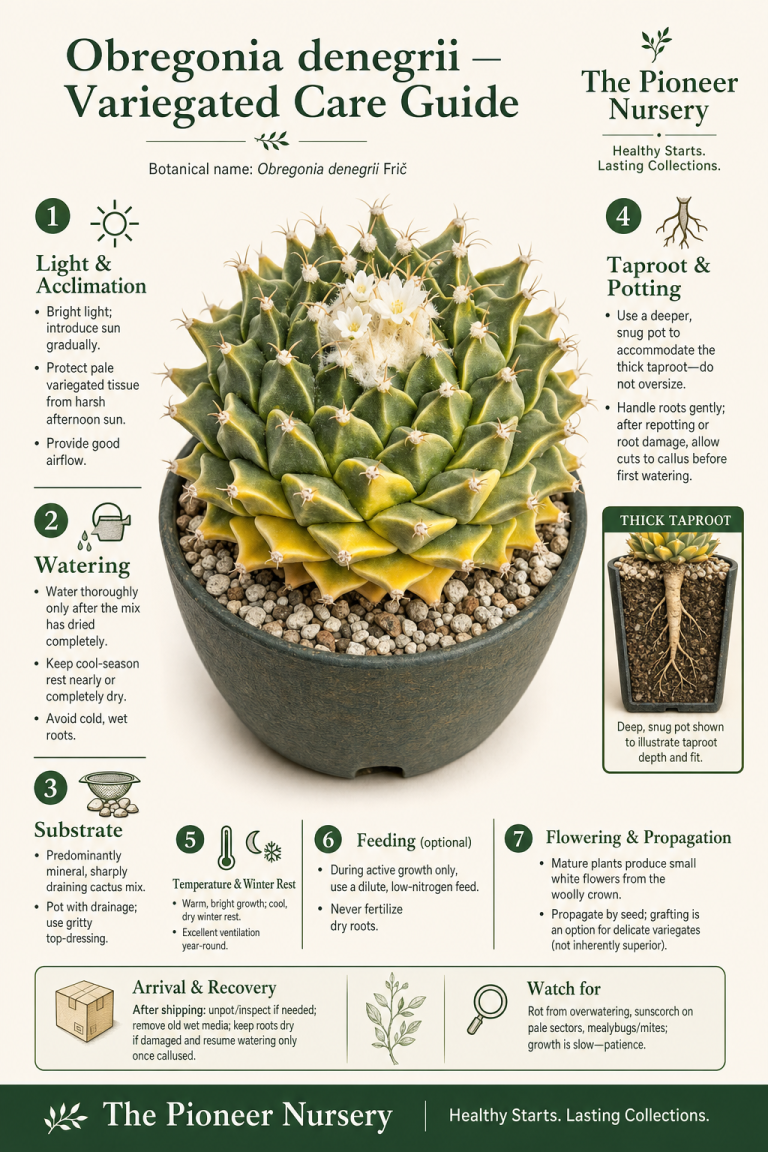
Choose a container with an unobstructed drainage hole and make it only modestly larger than the root system. Since Mammillaria lenta develops a substantial taproot—a main root that needs room below the plant—provide adequate depth rather than choosing an unnecessarily shallow pot. Repot during active growth when possible. After repotting or major root disturbance, keep the plant dry for several days and delay thorough watering until damaged roots have healed.
Temperature and winter rest
Keep the plant frost-free. Bright, cool winter conditions are preferable to warm, dark conditions. Around 7–13 °C (45–55 °F) is suitable for winter when the plant is kept dry. Avoid freezing temperatures and prolonged cold combined with moisture. Reduced growth during darker months is normal.
Fertilizer
Feed sparingly during active growth only, using a dilute, low-nitrogen cactus fertilizer once or twice during the brighter growing season. Do not fertilize dormant or newly repotted plants.
Flowering
Mature plants may produce relatively large flowers, generally during spring or early summer when provided with strong light and an appropriate seasonal rest. Flowering is less likely if the plant remains warm, dim, or continuously moist through winter.
Propagation
The species can be propagated from seed or naturally produced basal offsets when available. Suitable cristate material may also be maintained from cuttings or by grafting. Because crested growth is a horticultural form, it is not necessarily reproduced uniformly from seed. Allow cut surfaces to callus fully, then keep newly prepared material dry until rooting begins.
Shipping and arrival care
Receive and ship the plant dry whenever practical, especially in cool weather. Protect it from freezing temperatures and prolonged cold, wet conditions. After arrival, inspect it, provide bright but initially filtered light, and avoid immediate heavy watering if it arrived bare-rooted or experienced root disturbance. Acclimate gradually to stronger sunlight.
Common problems
• Root or stem rot: Often linked to dense soil, poor drainage, or watering in cold conditions.
• Sunburn: Reduce the risk by acclimating gradually to strong direct sunlight.
• Etiolation: Weak, elongated growth indicates inadequate light.
• Mealybugs: Inspect dense spines and crested folds, where pests may hide.
• Cristate tissue scarring or dieback: May follow prolonged moisture, cold injury, or mechanical damage.
• Delayed recovery: Damaged roots may recover slowly if watered before healing after shipping or repotting.
Frequently Asked Questions
How often should I water Mammillaria lenta — Cristata?
During active growth, water thoroughly only after the substrate has dried completely. In cool, low-light winter conditions, keep it nearly or completely dry, watering only if needed to prevent severe shriveling.
Does the crested form need different light?
It needs very bright light, including several hours of direct sun once acclimated. Introduce stronger sun gradually to reduce burning and avoid weak, elongated growth.
What type of pot does it need?
Use a pot with an unobstructed drainage hole, enough depth for the substantial taproot, and only modestly more space than the root system.
Why should the plant stay dry after repotting or shipping?
Root disturbance can leave damaged areas vulnerable to rot. Several days of dryness gives damaged roots time to heal before thorough watering.
Can a cristate Mammillaria lenta be propagated?
Propagation may be possible from seed, basal offsets, suitable cuttings, or grafting. Crested growth is a horticultural form and is not necessarily reproduced uniformly from seed.
Why might my plant not flower?
Mature plants are more likely to flower with strong light and a cool, dry seasonal rest. Warm, dim, or continuously moist winter conditions can reduce flowering.
Mammillaria lenta — Cristata rewards careful growers with its distinctive crested form. Keep the roots airy, let the substrate dry thoroughly, provide strong light gradually, and maintain a cool, dry winter rest. Pay special attention to moisture collecting in the folds and to recovery after shipping or repotting.